

Published October 26, 2026
Why You Should Consider Buying in New Hampshire In The Winter

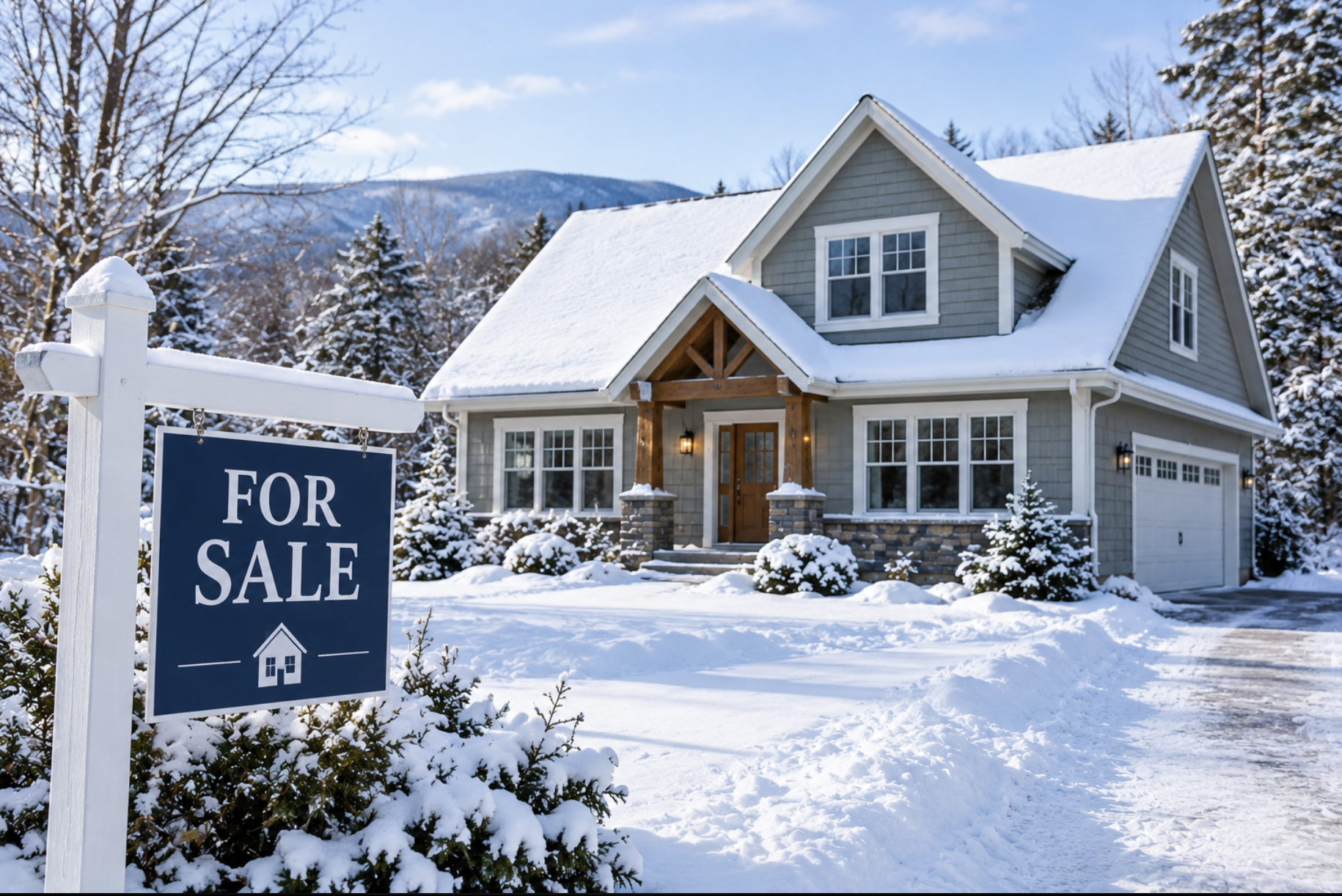
Why Winter May Be the Best Time to Buy Real Estate in New Hampshire
Less competition, opportunities to negotiate, and a clearer picture of a property's winter performance can make the colder months an ideal time to find your place in the Granite State.
When people think about buying a home in New Hampshire, they often picture spring and summer: green mountain views, lakefront afternoons, and long days exploring everything the Granite State has to offer. But for buyers willing to look beyond the traditional real estate season, winter can present a compelling opportunity.
Whether you're searching for a primary residence, a vacation home in the White Mountains, a lakeside retreat, or an investment property, buying during the winter months may offer advantages that are easy to overlook. With fewer buyers actively shopping in some markets, potentially more room for negotiation, and the opportunity to evaluate a property in real winter conditions, the colder season deserves a closer look.
Winter isn't automatically the cheapest time to buy, and desirable properties can still attract multiple offers. However, for prepared buyers who understand the local market, it can be an excellent time to make a move.
1. Less Competition Can Mean More Opportunity
One of the biggest reasons to consider buying in New Hampshire during the winter is the potential for reduced buyer competition.
Spring and summer traditionally bring more activity to many real estate markets. Families often want to move before a new school year, second-home buyers begin planning warm-weather escapes, and sellers take advantage of the season's curb appeal. In popular areas such as the Lakes Region and the White Mountains, seasonal demand can also influence the pace of the market.
Winter often brings a different environment. Some buyers put their searches on hold until warmer weather, while others avoid touring homes in snow and cold temperatures. That can mean fewer competing offers for certain properties and more time to make an informed decision.
For buyers, less competition can offer several potential benefits:
- More time to evaluate properties. You may have greater flexibility to schedule showings, compare options, and ask questions before making an offer.
- Less pressure to rush. Depending on the property and local demand, you may have more opportunity to review inspections, financing, and comparable sales carefully.
- A chance to negotiate. Sellers who have had a property listed through the fall may be more open to discussing price, closing costs, or other terms.
- Access to motivated sellers. Some sellers have practical reasons to complete a transaction during the winter, although motivation varies from one listing to another.
Of course, winter does not guarantee an easy purchase. Well-priced homes in desirable neighborhoods can still sell quickly, and limited inventory may intensify competition for the right property. The advantage comes from understanding the specific market rather than assuming every winter listing represents a bargain.
2. Prices and Affordability: Look Beyond the Asking Price
Affordability is about more than finding a lower list price. It means understanding the full cost of ownership, identifying opportunities to negotiate, and choosing a property that fits your financial goals.
In New Hampshire, prices can vary considerably depending on location and property type. A home in a commuter-friendly southern New Hampshire town may have a very different price point from a mountain cabin, a waterfront property, or a home in a popular vacation destination.
Winter can provide an opportunity to assess those differences carefully.
When buyer activity slows for a particular property, a seller may be more willing to consider an offer below the asking price, contribute toward eligible closing costs, or negotiate repairs following an inspection. These outcomes are never guaranteed, but they can improve the overall value of a transaction when the circumstances are right.
Buyers should also look at the property's ongoing expenses, including:
- Property taxes, which vary by municipality.
- Heating costs and insulation performance.
- Snow removal and winter maintenance.
- Homeowners insurance and any additional coverage required for the property.
- Condo fees, association dues, or private-road maintenance costs, where applicable.
- Travel time and transportation expenses for a second home.
New Hampshire's lack of a broad-based tax on earned wages can be attractive to some households, but property taxes are an important part of the ownership equation. Buyers should compare the actual tax bill and estimated operating costs for each property rather than relying on general assumptions about affordability.
The real winter advantage is the opportunity to negotiate the entire deal—not just the purchase price. A home that initially appears more expensive may offer better long-term value if it is energy-efficient, well maintained, and located in an area that meets your needs.
3. Inventory: A Smaller Selection Can Still Reveal Hidden Opportunities
Inventory is one of the most important factors to consider when buying real estate in New Hampshire during the winter.
There may be fewer new listings during the colder months, which can limit the number of properties available at any given time. Some sellers prefer to wait until spring, when landscaping is greener, daylight lasts longer, and outdoor spaces are easier to showcase.
However, fewer new listings do not necessarily mean there are no good opportunities.
Homes that remain on the market into winter can offer useful possibilities for buyers willing to investigate them. A property may have been listed for several weeks or months because of pricing, presentation, timing, or a feature that narrows its buyer pool. In some cases, the seller may simply be waiting for the right offer.
This is where working with a knowledgeable local real estate professional becomes especially valuable.
Rather than focusing exclusively on new listings, buyers can examine:
- Properties that have been on the market for an extended period.
- Homes with recent price reductions.
- Listings that returned to the market after a previous contract fell through.
- Properties in neighboring towns that offer similar amenities at a different price point.
- Homes that need cosmetic updates but have solid underlying value, subject to inspection.
It is also important to distinguish between active inventory and available inventory that fits your needs. A market may have plenty of listings overall but very few homes within your preferred budget, location, or condition.
For this reason, winter buyers should begin their search with a clear set of priorities, financing in place, and a realistic understanding of local comparable sales.
If the right property is available, winter can be an excellent time to act. If inventory is too limited, patience may be the better strategy.
4. Winter Is the Ultimate Property Inspection Season
One of the most overlooked benefits of buying real estate in New Hampshire during the winter is the ability to see how a property performs in the conditions that matter most.
A home that looks beautiful on a sunny summer afternoon may reveal important details when temperatures drop and snow begins to fall. Buying in winter gives you a firsthand opportunity to evaluate some of the practical considerations that can affect your comfort and ownership costs.
During showings and inspections, pay particular attention to:
- Heating performance: Ask about the heating system's age, fuel type, maintenance history, and typical winter bills.
- Insulation and drafts: Look for cold spots, drafts around windows and doors, and signs of ice dams or moisture damage.
- Roof and drainage: Ask about roof condition, snow-load considerations, attic ventilation, and past ice-dam problems.
- Driveways and access: Evaluate the driveway's slope, winter maintenance needs, and whether the property is accessible during storms.
- Water and plumbing: For seasonal homes, determine whether pipes are adequately protected against freezing and whether the property can safely be used year-round.
- Snow removal: Understand whether snow removal is your responsibility, included in an association fee, or handled through a private contractor.
For vacation homes in the Lakes Region or White Mountains, these considerations are particularly important. A property that is inexpensive to purchase but costly to heat, difficult to access, or vulnerable to winter damage may not represent the best long-term value.
A qualified home inspector can help identify potential problems, although a winter showing alone cannot replace a thorough inspection.
5. Is New Hampshire Real Estate Becoming More Affordable?
Affordability remains one of the biggest challenges facing New Hampshire homebuyers. It is important to recognize that winter purchasing opportunities exist within a market where prices and inventory still vary significantly by location.
According to the New Hampshire Association of REALTORS®, the statewide median sale price for a single-family home reached $569,900 in September 2026, up 6.5% from September 2025. The number of single-family homes on the market was also 19% higher than a year earlier, offering buyers more options than the previous September. However, the state still had only 2.9 months of housing supply. <Cite refs={["turn742660search4"]}/>
Those numbers tell an important story: more homes becoming available does not automatically mean homes are becoming cheaper.
For winter buyers, the opportunity lies in combining a broader search with careful negotiation and realistic budgeting.
Consider looking beyond the most popular or expensive towns. Depending on your priorities, a property farther from a ski resort, lakefront, or major commuter corridor may offer better value while still providing access to the activities and amenities you want.
Condos, smaller homes, and properties that need cosmetic updates may also provide alternative entry points into the market. Compare total ownership costs, not just the initial purchase price, and avoid assuming that a lower-priced home will necessarily be less expensive to maintain.
A local real estate professional can help you compare recent sales, evaluate price reductions, and determine whether a particular property is priced competitively.
6. Why Winter Can Be Especially Attractive for Second-Home Buyers
New Hampshire is a natural draw for buyers seeking a mountain escape, a lake-area retreat, or a property that can serve as a weekend getaway throughout the year.
For second-home buyers, winter provides a chance to evaluate the property during one of its most demanding seasons.
If you are considering a mountain home, you can assess access to ski areas, winter road conditions, heating expenses, and the convenience of reaching nearby restaurants and services. If you are looking around the Lakes Region, winter can reveal how quiet the area becomes outside the summer season and whether the property suits your intended use.
Buying during the winter may also give you time to prepare for the warmer months. Depending on the transaction timeline, you could be settled before summer activities begin, ready to enjoy boating, hiking, swimming, and exploring New Hampshire's many scenic destinations.
For buyers interested in renting their property when they are not using it, be sure to investigate local ordinances, association rules, insurance requirements, and realistic rental income before purchasing. Seasonal demand can vary, and rental revenue should never be assumed to cover all ownership expenses.
The right second home should fit your lifestyle and budget in every season—not just during the weeks you plan to visit.
7. How to Make the Most of the Winter Market
If you are considering a New Hampshire property this winter, a little preparation can help you take advantage of opportunities without overextending yourself.
Here are five practical steps to get started:
- Get pre-approved. Understand your purchasing power, monthly payment, and cash requirements before you begin making offers.
- Define your priorities. Decide which towns, property types, and features matter most, and identify where you are willing to compromise.
- Track listings over time. Pay attention to price changes, time on market, and comparable sales rather than judging a property by its asking price alone.
- Prepare to act when the right home appears. Have your financing, inspection plans, and questions ready, while preserving the time needed for appropriate due diligence.
- Work with a local expert. Winter conditions and housing trends can differ considerably between southern New Hampshire, the Lakes Region, and the White Mountains.
It is also worth remembering that a seller's circumstances matter. A seller who needs to move quickly may be more flexible than one who is comfortable waiting until spring. Understanding those circumstances can help you structure an offer that works for both sides.
The Bottom Line: Winter Is Worth a Closer Look
Buying real estate in New Hampshire during the winter is not a guaranteed shortcut to a lower price. Inventory may be limited in some towns, competition can remain intense for desirable properties, and statewide affordability challenges have not disappeared.
But winter can create a valuable window for buyers who are prepared to look carefully, negotiate thoughtfully, and recognize a property's long-term potential.
Fewer active buyers in some segments, the possibility of negotiating with motivated sellers, and the ability to evaluate a home under real winter conditions all make the season worth considering. Meanwhile, changing inventory levels may create options that were harder to find in previous years.
Whether you are searching for your first home, planning a move to the Granite State, or dreaming of a mountain or lake retreat, you do not necessarily have to wait until spring to begin.
Your ideal New Hampshire property could be available right now. With the right preparation, a clear budget, and an understanding of local market conditions, winter may be the season that helps you find your home.