
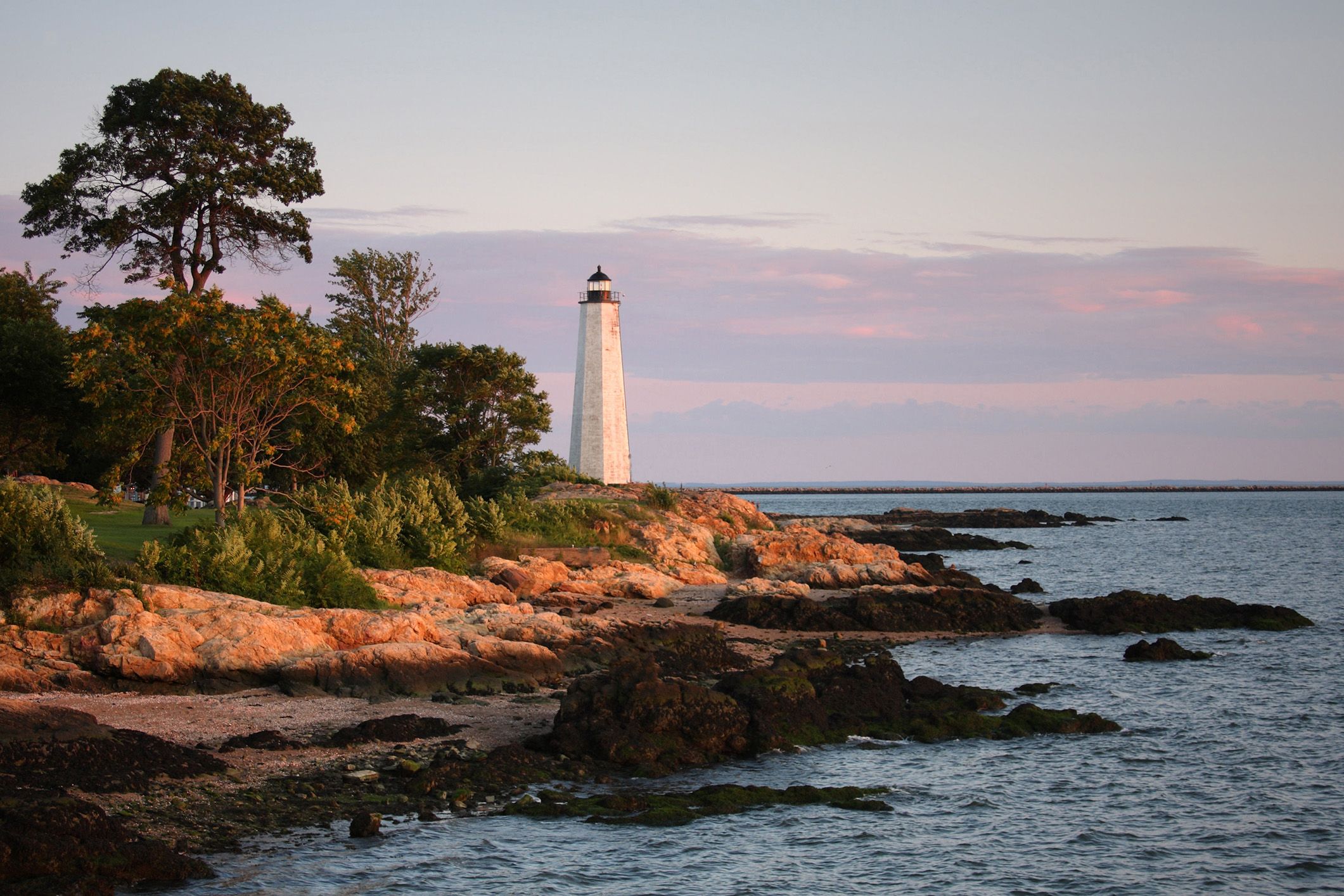
Great East Lake

Discover Great East Lake
Straddling the border of Wakefield, New Hampshire, and Acton, Maine, Great East Lake offers a distinctly New England version of waterfront living: clear water, wooded shorelines, quiet coves and islands, with enough open water for boating and watersports. At approximately 1,700 acres and more than five miles long, the lake feels substantial without the scale or activity of Lake Winnipesaukee. Its deepest point reaches 102 feet.
The geography itself gives Great East much of its character. The broadest section of the lake lies toward New Hampshire, while the Maine side narrows into a series of passages and the First, Second and Third Basins. The result is a landscape that shifts from expansive open-water views to protected coves and more intimate stretches of shoreline.
Great East is also the uppermost lake in the headwaters of the Salmon Falls River system, ultimately connecting to the Piscataqua River and the Gulf of Maine—a particularly interesting connection between New Hampshire's lake country and the Seacoast.
A Lake Defined by the Water
One of Great East Lake's defining qualities is its deep, cold water. The lake has an average depth of approximately 35 feet and reaches 102 feet at its deepest point, with rocky shorelines and significant cold, well-oxygenated water.
That environment supports an unusually diverse fishery. Lake trout, rainbow and brown trout share the water with smallmouth and largemouth bass, pickerel, white and yellow perch and other species. The rocky shoals provide particularly good habitat for lake trout and smallmouth bass.
For waterfront owners, life here naturally revolves around the lake: early-morning paddles, swimming from the dock, sailing, fishing, waterskiing, wakeboarding and tubing. Public access includes a state-operated boat launch near the lake's outlet as well as Weeks Beach access on the New Hampshire side.
Close to Wolfeboro, the Seacoast & the Mountains
One of Great East Lake's advantages is its location. It feels decidedly removed from the busier parts of southern New Hampshire, yet it isn't isolated.
Wolfeboro and Lake Winnipesaukee are a short drive away, putting restaurants, shops, galleries, groceries and the amenities of one of New Hampshire's best-known lake towns within easy reach. Wakefield itself is roughly 15 minutes from Wolfeboro, depending on starting point, while the exact drive from a Great East property varies considerably by which side of the lake it occupies.
To the south, Portsmouth and the New Hampshire Seacoast are roughly an hour away; Wakefield to Portsmouth is approximately 43 miles and about 47 minutes under normal driving conditions. That creates an appealing combination: a home can feel like a true lake retreat while remaining close enough for dinner in Portsmouth, a day at the ocean or access to I-95.
Head north and west and the landscape quickly transitions toward ski country and the White Mountains. King Pine provides a nearby family-oriented mountain, while Gunstock, North Conway and the greater White Mountains open up a much broader range of skiing, hiking and year-round recreation.
It is a location that puts lake, mountain and coast within the same lifestyle.

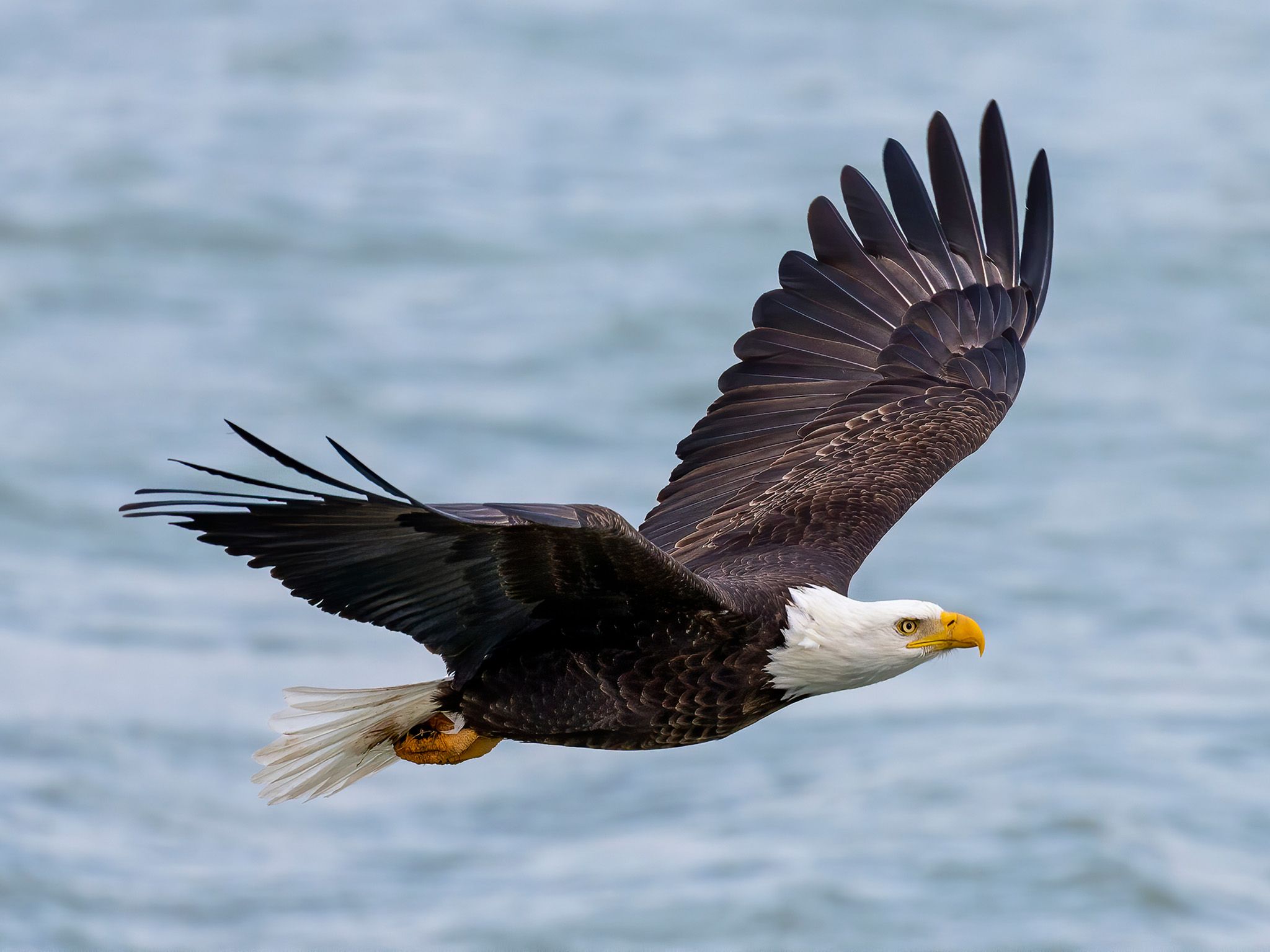
Wildlife on Great East
Wildlife is a noticeable part of everyday life here. The Great East Lake watershed provides habitat for at least 21 species of fish and numerous bird species, including common loons, bald eagles, great blue herons, wood ducks and belted kingfishers.
Loons are particularly synonymous with Great East. Nesting pairs are regularly found around Copp Brook, the Scribner River, Loon Island and the lake's basins. Late spring and early summer are nesting season, followed by chicks appearing on the water around July—making the sound and sight of loons part of the summer experience.
The surrounding woods and wetlands are home to beaver, muskrat, river otters and deer, with occasional sightings of larger wildlife such as moose and black bear. Bald eagles, mergansers, cormorants and herons are also frequent sights around the shoreline.
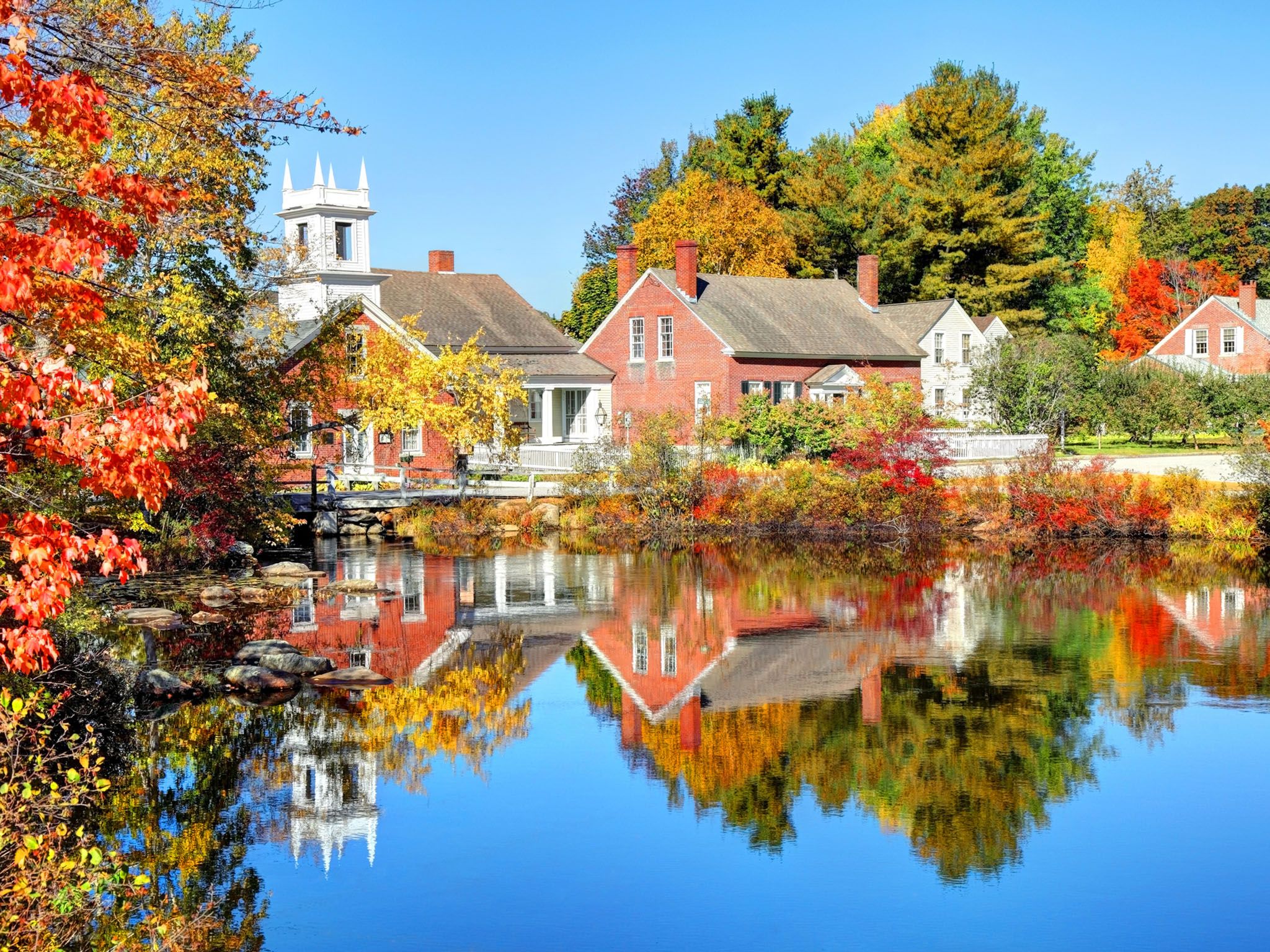
The landscape is classic northern New England: pine and mixed hardwood forests, rocky shoreline, wetlands and quiet coves. In autumn, those forests become one of the lake's greatest features as the shoreline changes to layers of red, orange and gold.
The Wakefield & Acton Area
The surrounding communities retain a rural, small-town character. Wakefield is actually composed of several historic villages—including Sanbornville, Union, Wakefield Corner, East Wakefield and North Wakefield—rather than one concentrated downtown. Its history is closely tied to the railroad, mills, farming and the region's lakes.
Sanbornville serves as the area's primary village center for everyday conveniences, while nearby Wolfeboro provides a larger concentration of shopping, dining and services. Outdoor recreation extends well beyond Great East: Wakefield alone contains seven lakes, and the 12-mile Cotton Valley Rail Trail offers walking and biking through woods, wetlands and the surrounding lake country.
Something Unique: Two States, One Lake
Perhaps Great East Lake's most interesting distinction is that a day on the water can quite literally cross state lines. The Maine–New Hampshire boundary runs through the lake, and the historic Newichawannock Canal connecting Great East Lake with Horn Pond forms part of that border.
Built around the time of the Civil War to increase waterpower for mills downstream, the approximately 800-foot canal is now listed on the National Register of Historic Places.
Even fishing reflects the lake's two-state identity: Maine and New Hampshire recognize one another's fishing licenses on Great East Lake, so an angler with a valid license from either state can fish throughout the interstate lake.
A Community Invested in the Lake
Another meaningful consideration for prospective waterfront owners is the stewardship surrounding Great East Lake.
The Great East Lake Improvement Association dates to 1932 and has been involved in water-quality monitoring, habitat protection, shoreline issues, loon conservation, invasive-species prevention and lake safety for decades. Water-quality monitoring began in the late 1970s, followed by participation in the University of New Hampshire's lake-monitoring program beginning in the early 1980s.
Today, volunteer Lake Host and Weed Watcher programs help monitor boats and shoreline areas for invasive aquatic species, while the association and Acton Wakefield Watersheds Alliance work on erosion, stormwater runoff and broader watershed protection.
For someone considering a home here, that long-established culture of stewardship is an important part of the Great East Lake story: residents aren't simply enjoying the lake—they have a long history of actively protecting it.
Great East Lake at a Glance
- Location: Wakefield, New Hampshire + Acton, Maine
- Size: Approximately 1,700 acres
- Maximum depth: 102 feet
- Length: Approximately 5 miles
- Setting: Wooded shoreline, islands, coves, narrows and multiple basins
- On the water: Boating, sailing, kayaking, paddleboarding, swimming, waterskiing and fishing
- Fish: Lake, rainbow and brown trout; smallmouth and largemouth bass; pickerel; perch and more
- Wildlife: Loons, bald eagles, great blue herons, kingfishers, ducks, otters, beaver, deer and occasional moose and bear
- Nearby: Wolfeboro, Portsmouth and the Seacoast, King Pine, Gunstock and the White Mountains
- Lifestyle: Four-season lake living with easy access to both the mountains and coast